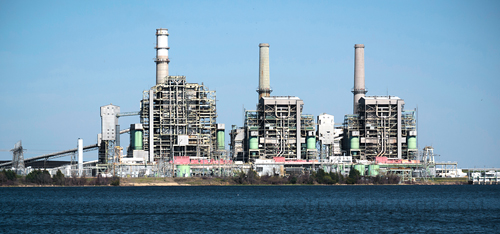
Texas Energy – Part One
Texas Fly Fishers Benefit From Progressive Energy in Texas
- By Staff Writer Chet Gypt
Here’s an up-to-date breakdown of how electricity is generated in Texas — including the role of nuclear power, and the shares from coal, natural gas, wind, solar, and other sources:
🔋 1. Overall Electricity Generation in Texas
Most of Texas’s electricity is supplied through the Electric Reliability Council of Texas (ERCOT) grid, which covers about 90 % of the state’s load. Texas is the largest electricity producer and consumer in the U.S. and has one of the most diverse generation portfolios in the country. (Texas Comptroller)
📊 Latest Fuel Mix (Approximate Shares)
Based on the 2024–2025 generation data:
| Source | Approx. Share of Electricity Generation |
|---|---|
| Natural Gas (largest share) | ~43 %–48 % (Texas Comptroller) |
| Wind Power (second largest) | ~23 %–25 % (Texas Comptroller) |
| Solar Power (rapidly growing) | ~10 %–14 % (Payless Power) |
| Coal (declining) | ~10 %–16 % (Texas Comptroller) |
| Nuclear (steady base-load) | ~8 %–10 % (Texas Comptroller) |
| Hydro & biomass | small fractions (<1 – 2 %) (Texas Comptroller) |
Note: Shares vary year-to-year and seasonally, especially for wind and solar. But these percentages reflect recent trends across ERCOT’s annual generation. (Payless Power)
⚡ 2. Natural Gas — The Backbone
- Natural gas is the dominant fuel for electricity in Texas, supplying roughly 43 %–48 % of generation. (Texas Comptroller)
- It provides dispatchable power — meaning plants can ramp up or down quickly to meet demand — which makes it critical for grid stability. (Texas Oil & Gas Association)
🌬️ 3. Wind Power — A Texas Specialty
- Texas leads the nation in wind power production — more than any other U.S. state. (ERCOT)
- Wind contributes around 23 %–25 % of electricity supplied to the ERCOT grid. (Texas Comptroller)
- Seasonal effects matter: wind output can be higher in non-summer months because winds pick up across the plains. (Payless Power)
☀️ 4. Solar Power — Fastest Growing
- Solar has been the fastest-growing energy source in Texas. (Payless Power)
- In 2025, solar generation surpassed coal for the first time in annual output, making solar the third-largest contributor in ERCOT. (Houston Chronicle)
- Solar now supplies roughly 10 %–14 % of electricity — and continues expanding as more utility-scale projects come online. (Payless Power)
🏭 5. Coal — Declining but Still Present
- Coal’s share has steadily fallen over the past decade due to economics, emissions concerns, and competition from cheaper natural gas and renewables. (Texas Comptroller)
- Coal typically provides around 10 %–16 % of ERCOT power today, down from ~20 % in earlier years. (Payless Power)
⚛️ 6. Nuclear Power — Stable Base Load
Texas has two nuclear power plants, which provide steady, carbon-free electricity year-round:
- South Texas Project (near Bay City)
- Comanche Peak (near Glen Rose)
Together, they contribute about 8 %–10 % of the state’s electricity generation, making nuclear the fourth largest source behind gas, wind, and solar. (Texas Comptroller)
🔹 Nuclear plants don’t vary much hour-to-hour like wind or solar; they serve as base load generation — reliable, always-available power. (Texas Comptroller)
🔋 7. Other Sources (Hydro, Biomass, Storage)
- Hydroelectric and biomass make up a small share (typically a few percent combined). (Texas Comptroller)
- Battery storage is also growing rapidly — storing excess wind/solar and discharging during peak demand — though it’s still a relatively small but important part of the mix. (Power Wizard | Compare Energy Rates)
📈 8. How the Mix Is Changing
Long-Term Trends:
- Renewables rising: Wind and solar are increasing as costs fall and capacity expands. (Payless Power)
- Coal declining: Coal plants are being retired or converted to gas. (Texas Comptroller)
- Gas still essential: Natural gas remains the most important fuel, especially for balancing the variable output of wind and solar. (Texas Oil & Gas Association)
- Nuclear stable: Nuclear output has stayed relatively steady, continuing to provide carbon-free base load. (Texas Comptroller)
📌 Summary
Today in Texas:
- Natural gas is the largest power source.
- Wind and solar together now often rival or exceed fossil fuels at times.
- Solar recently outpaced coal in annual generation — a milestone for a traditionally fossil-heavy state. (Houston Chronicle)
- Nuclear energy is an important part of the mix and provides reliable, always-on electricity.
- Coal is in decline but still contributes.
- Storage and smaller sources help smooth the grid.
PUBLISHER NOTES: We are stepping more bigly into the panorama of things that can and do have an impact on our fly fishing successes now. That includes a fair and balanced look at where our Texas energy comes from, where the Nation will be damaged by new FEDERAL energy policies and strategies, and how those backwards moves will do damage to the fly fishing we love – for decades to come, if the FEDS get away with the deregulation I am going to show and tell you about here at Texas Fly Caster. I’ll show you the facts, the science and the fallout. How you react to that is up to each of you. From where I sit, and what little impact I have had on a local, small scale (see the Denton Greenbelt Disaster), it is pretty obvious there’s nothing one single person can do to grab the wheel and turn the Titanic.
There is no denying we fishers and fly fishers benefitted from electricity generation. We fly fished “power plant lakes” that held redfish – about 70-miles south of Dallas, Texas, at one time! We had warm water on snowy days in East Texas on lakes, like Monticello. Those days are gone, history.
Permanently Closed Coal Plants in Texas
- Big Brown Power Plant (Freestone County) – Retired in 2018. (Wikipedia)
- Monticello Steam Electric Station (Titus County) – Retired in 2018. (Wikipedia)
- Sandow Power Plant (Milam County) – Retired in 2018. (Wikipedia)
- J.T. Deely Power Plant (Bexar County, near San Antonio) – Retired end of 2018. (Wikipedia)
- Gibbons Creek Steam Station (Grimes County) – Closed and demolished (retired ~2018/2019). (Wikipedia)
- Oklaunion Power Plant (Wilbarger County) – Decommissioned in 2020. (Wikipedia)
- Pirkey Power Plant (Harrison County) – Retired in 2023 (ceased coal operation). (Texas Comptroller)
These facilities were once part of Texas’s coal generation fleet but have ended coal operations due to economic, regulatory, and market pressures. (Texas Comptroller)
📌 Notes on Other Plants
- Sandy Creek Energy Station (near Waco) is not fully retired but has been offline due to equipment issues (expected offline into 2027). (Wikipedia)
- Several other coal plants (like Tolk and Coleto Creek) are scheduled to retire before 2030 but have not fully closed yet. (Texas Comptroller)